
Research
Adjusting to a different way of parenting
01 Apr 2026
The experiences and perspectives of mothers raising a child with Cerebral Palsy – Hōkai Nukurangi in Aotearoa.

By Dr Meg Smith
In August last year I graduated from Auckland University of Technology with a Doctor of Health Science. My thesis was titled Adjusting to a Different Way of Parenting and my research explored the experiences and perspectives of caregivers raising a school-age child with Cerebral Palsy (CP) – Hōkai Nukurangi in Aotearoa.
Only mothers replied to my call for people to interview and I ended up interviewing 15 mothers throughout the country who had children with a wide range of CP, including spastic diplegia, hemiplegia, spastic quadriplegia and invisible challenges.
The interviews revealed how the child’s birth marked the beginning of an unexpected and challenging parenting journey for mothers. While they had anticipated joyful experiences, the reality required significant adjustment and adaptation to a different way of parenting.
I grouped this experience of adjustment into three major themes which I called: the difficult start, rowing upstream, and winning but not as expected.
The difficult start
“A difficult start” describes how many mothers faced an unexpected and challenging start, with premature labour, emergency caesareans, and the overwhelming experience of having a fragile baby in the neonatal intensive care unit (NICU).
While they felt their babies received good care, most mothers felt emotionally unsupported and were left to navigate their emotions on their own.
The emotional toll of these early experiences was often left unaddressed, leaving lasting effects on their mental health.
The CP diagnosis was frequently delivered in an unsupportive manner, deepening the sense of isolation and trauma.
For some, these layers of distress contributed to the breakdown of their marriages, adding to the complexity of their parenting journey.
For many, this time in their lives had a profound effect on both their physical and mental health and well-being.
Rowing upstream
“Rowing upstream” reflects both the work and worry mothers experience when parenting their child with CP, and the fighting and advocating they do to get support for their child and themselves.
This theme had four subthemes: keeping the boat afloat (how much harder parenting was); paddling through the ACC rapids (the exhausting battle to get ACC support); navigating the school currents (school experiences and reduced government support); and lost in the funding stream (variable and inconsistent funding information).
Mothers with children under ACC were relatively satisfied with assistance but suffered significant negative impacts from the battle to secure it.
Winning but not as expected
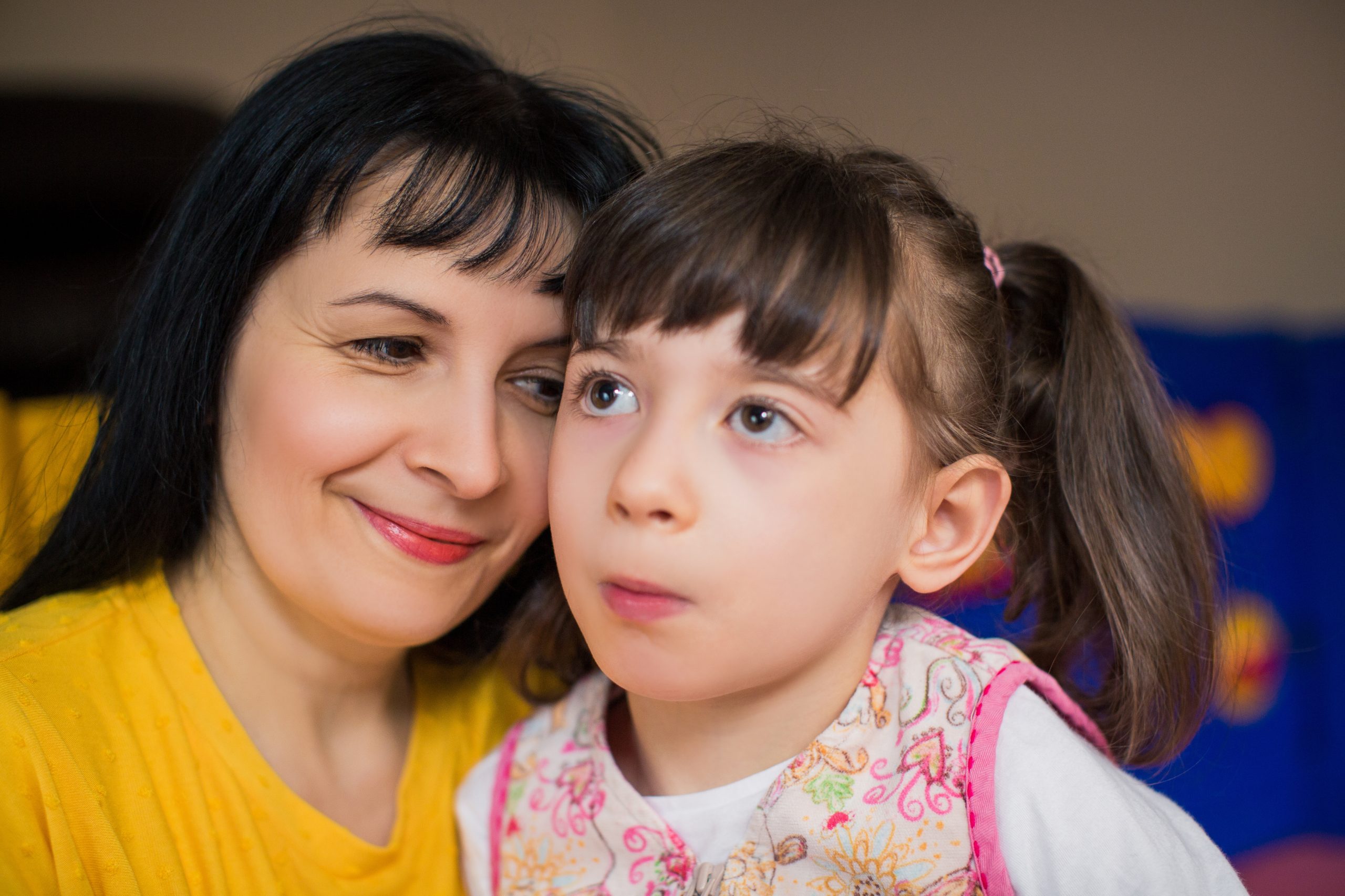
“Winning but not as expected” captures mothers’ eventual sense of accomplishment, fuelled by gratitude, personal growth, and community support. While different from their initial expectations, mothers felt positive about their parenting journey and embraced a redefined sense of success.
Mothers felt gratitude and pride for their children and pride in themselves. Many were living life at a slower pace where small things were valued and celebrated.
Mothers discovered a community with other parents whose support was likened to a warm blanket. For many this was a game changer, a forum to share information, which for some led to receiving more government support and resources.
Despite being the most common disability worldwide, this was the first research of its kind in Aotearoa, and it revealed some important findings.
It provides valuable insight into the lives of 15 mothers who adapted to a different way of parenting, a journey marked by trauma, challenge, connection, and joy.
It highlights the inequities in the health and education systems in Aotearoa New Zealand and uncovers the trauma mothers have experienced.
The findings are intended to inform policymakers, health professionals, and other stakeholders to enable improved support for families raising children with CP and their whanau.
A big thank you to the mothers who responded to my interview request and who generously gave me their time, opened their hearts, and bared their souls, taking me on an incredible journey and sharing some heart wrenching stories. Such resilient, strong, dedicated, and resourceful parents.
Thank you also to the Cerebral Palsy Society of New Zealand and Te Whatu Ora for the financial support.
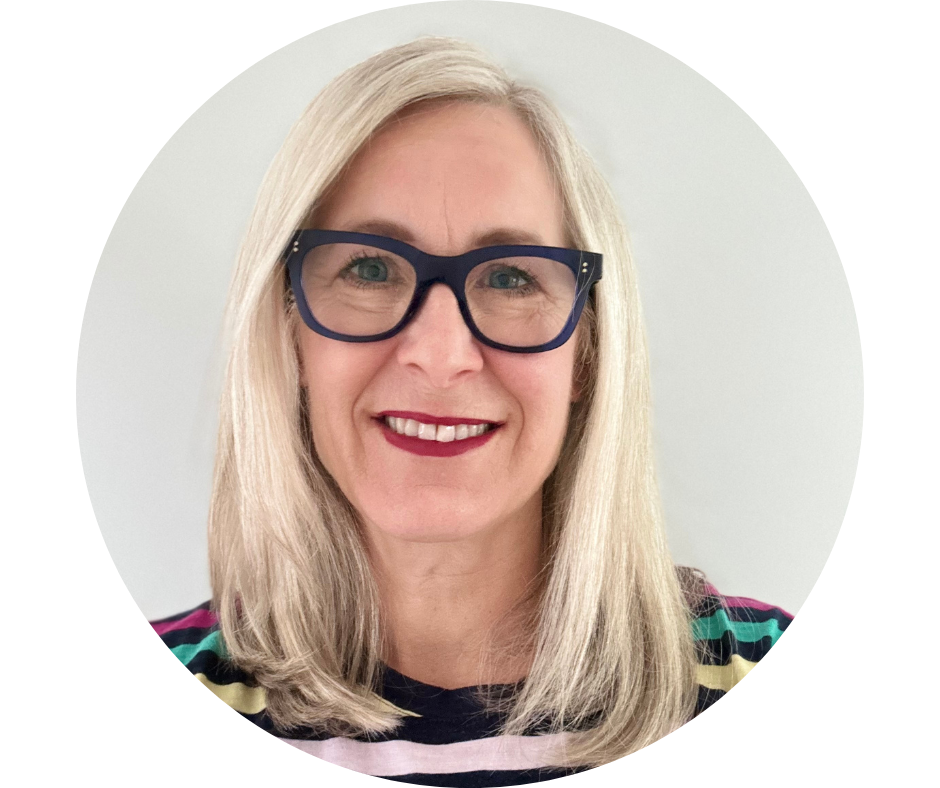
Dr Meg Smith is a Cerebral Palsy researcher (prompted by being the mother of a teenager with CP), a nurse and a member of the Cerebral Palsy Society’s Executive Committee.
This article was originally published in the March 2026 edition of The Review magazine.
For more information:
Melanie Louden
Communications Manager
melanie@cpsociety.org.nz
Mobile: 022 087 819
