
NEWS & UPDATES
Finding reliable Cerebral Palsy information online
05 Oct 2026
By Amy Hogan
The internet can connect people with Cerebral Palsy – Hōkai Nukurangi and their whānau to useful information, research and lived experience from around the world. However, knowing what to search for, and which information applies in Aotearoa New Zealand, can make an enormous difference.

Search for “Cerebral Palsy”, not only “CP”
Although CP is widely used as an abbreviation for Cerebral Palsy, it has many other meanings across medicine, technology, military and everyday online communication (ie chest pain, cell phone, command post).
It can also be used as an abbreviation for disturbing and illegal material.
Consequently, searching for “CP” alone on social media or search engines may produce irrelevant or upsetting content.
For clearer and safer results, write “cerebral palsy” in full, particularly when you first start a search, and add specific words describing what you need, such as:
- “Cerebral Palsy fatigue adults”
- “Cerebral Palsy school support New Zealand”
- “Cerebral Palsy lived experience”
- “Cerebral Palsy ageing research”
- “Cerebral Palsy physiotherapy guidelines”
Quotation marks can help search engines look for the complete phrase. Adding “New Zealand” or “NZ” will prioritise locally relevant information.
Begin with New Zealand sources
Local websites are generally the best starting point for information about services, funding, education and the New Zealand health and disability systems.
The Cerebral Palsy Society is working to provide practical information that is New Zealand-based for people with Cerebral Palsy and their whānau across different ages and stages. A good starting point is our Living with CP page, which has a number of articles on different topics related to Cerebral Palsy.
Other useful New Zealand sources include:
- KidsHealth New Zealand for family-friendly health information and support resources.
- Starship Cerebral Palsy information and research for clinical guidance and New Zealand research.
- The New Zealand Cerebral Palsy Register for information about research and improving knowledge of Cerebral Palsy in Aotearoa.

Connect local information with international knowledge
International organisations can provide access to larger research networks, clinical resources and a wider variety of lived experiences. Reliable starting points include Cerebral Palsy Alliance Australia, CanChild, the Cerebral Palsy Foundation and World Cerebral Palsy Day.
International information can help explain what is known about Cerebral Palsy, while New Zealand sources help explain what happens here. Therapy availability, funding criteria, professional roles and referral pathways may differ between countries, so check international advice against local services or discuss it with a relevant health professional.
Finding Cerebral Palsy communities on social media
On Facebook, Instagram, TikTok, LinkedIn and YouTube, search using the full phrase “Cerebral Palsy” alongside your area of interest.
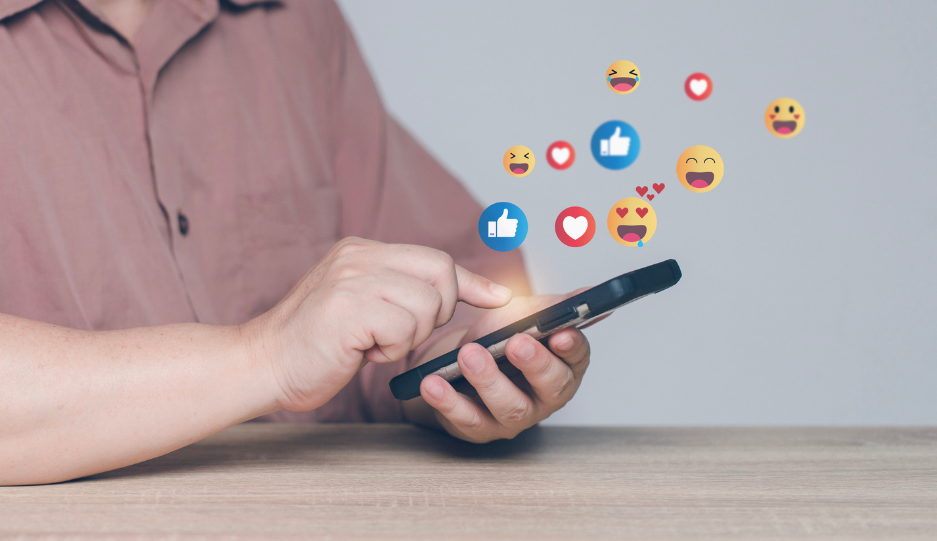
Social media is particularly valuable for finding lived experience, practical ideas and community connection. However, one person’s experience is not universal, and popular content is not necessarily accurate. Check who created the information, when it was posted, whether sources are provided and whether someone is selling a treatment or promising unrealistic results.
The best online information often comes from combining three things:
- Reliable research
- New Zealand context
- The voices of people who live with Cerebral Palsy every day.
* Amy Hogan is the Cerebral Palsy Society’s Researcher and Member Support Advisor.
