
NEWS & UPDATES
Being active with CP
21 Sep 2026
Sometimes, the smallest movements make the biggest difference.
When you hear the words physical activity, what comes to mind? A gym? Running shoes? Organised sport?
For many people living with Cerebral Palsy (CP) – Hōkai Nukurangi, those images can make being active feel out of reach. Pain, fatigue, accessibility, equipment, transport, support people and everyday commitments can all influence what movement looks like.
The good news is that physical activity is much broader than traditional exercise and can be adapted for every person living with CP, regardless of age, CP type or level of mobility.
There is no single ‘right’ way to be active with CP. The best activity is the one that is safe, meaningful, enjoyable and sustainable for you.
What counts as physical activity?
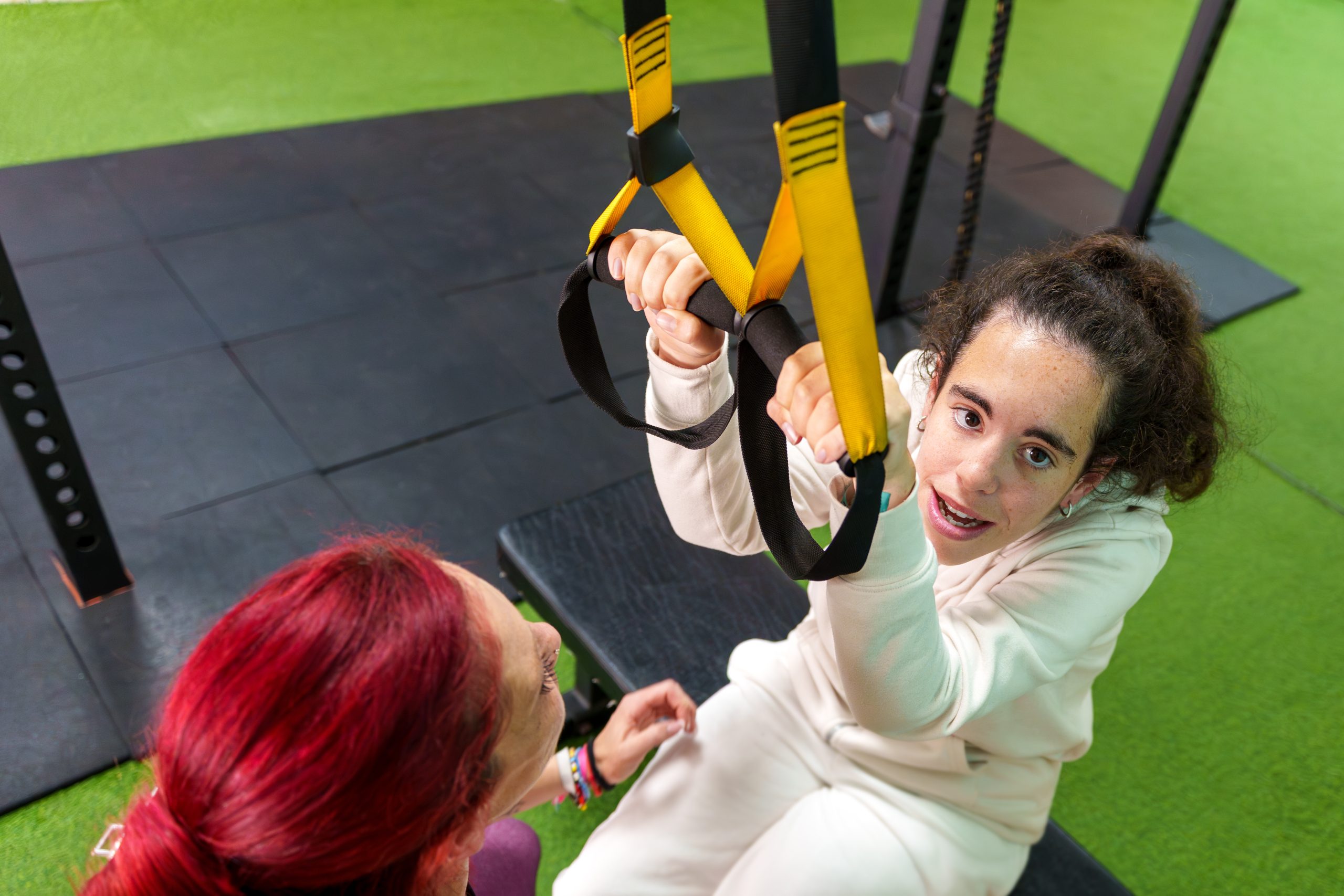
Physical activity isn’t just about workouts or organised sport. It’s all the movement we do throughout the day.
• Therapy develops or maintains specific skills.
• Exercise is planned movement to improve strength, fitness or endurance.
• Physical activity includes everyday movement.
For people with CP, all three have an important role. Swimming, wheeling, stretching, gardening, dancing, practicing transfers, standing with support or playing with children all count.
Physical activity is also about confidence, connection, participation and enjoying movement for its own sake.
Can everyone with CP be active?
Research shows that appropriately adapted physical activity is safe and beneficial across all ages, CP types and GMFCS levels. The question is rarely whether someone with CP can be active, but what activity looks like for them.
Whether movement involves walking, wheeling, supported standing, hydrotherapy, cycling or movement with another person’s assistance, every safe movement has value.
Regular activity can support strength, stamina, sleep, wellbeing and participation in everyday life.
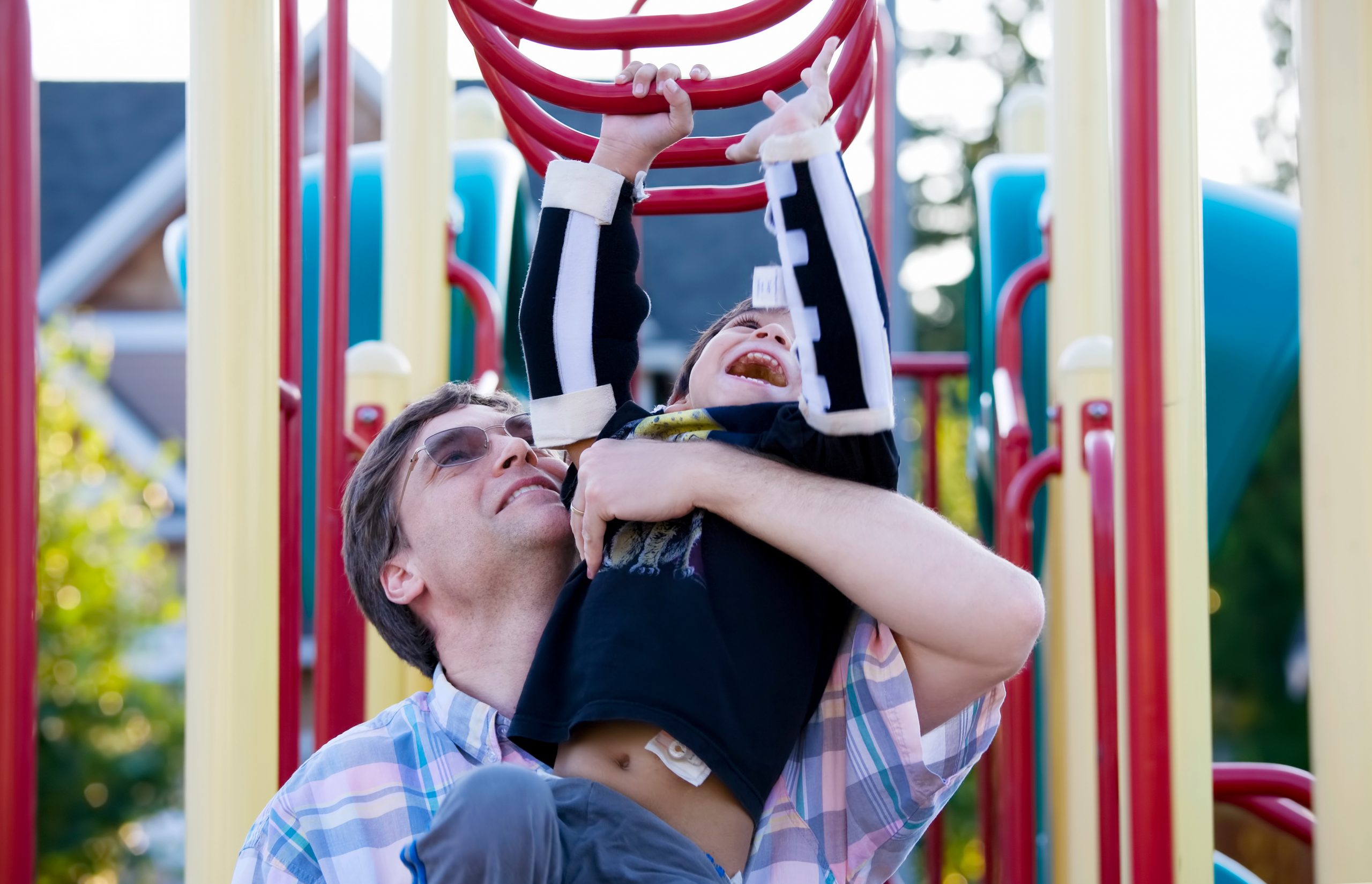
For children, physical activity often happens through play – swimming, exploring the playground, kicking a ball, dancing in the lounge or enjoying active games with family and friends.
For adults, it might be a walk or wheel around the neighbourhood, gardening, stretching at home or joining an adapted exercise class or community group.
Finding your starting point
Instead of searching for the perfect programme, ask yourself:
• Why? What matters most to me?
• What? What activities sound enjoyable?
• Where? What fits into my everyday life?
• When? What is realistic for my routine?
• How? What support, equipment or funding might help?
Movement is closer than you think
Some of the best ways to be active don’t require expensive equipment or gym memberships. You could:
• Go for a walk or a wheel
• Stretch or do yoga while listening to your favourite music
• Have a family dance party
• Throw or kick a ball with friends or whānau
• Play simple bat-and ball games
• Organise fun races or relays everyone can join
• Spend time gardening
• Visit your local pool.
Not every activity needs to leave you out of breath to be worthwhile. Gentle movement throughout the day can make a difference.
Progress isn’t always a straight line
Starting a new activity may temporarily increase muscle soreness, pain or fatigue while your body adjusts.
That doesn’t necessarily mean the activity is wrong for you. Building up gradually, pacing yourself and allowing time for recovery can make a big difference.
For many people, activity becomes easier over time and may improve stamina while helping manage some types of pain and fatigue.
Needing to recover isn’t a sign you’ve failed – it’s part of the process.
Small movements really do matter
Remember:
• Start small and build gradually
• Expect your body to need time to adapt.
• Pace yourself and include recovery in your plan.
• Choose activities you enjoy.
• Adapt activities as your needs change.
• Celebrate consistency rather than perfection.

Being active with CP doesn’t have to look like anyone else’s version of fitness. Whether you’re playing with your children, wheeling around the neighbourhood, dancing in your lounge or simply moving a little more each day, it all counts.
The goal isn’t perfection – it’s finding ways to move that help you participate in the life you want to live. Sometimes, the smallest movements really do make the biggest difference.
Where to find support
The Cerebral Palsy Pathfinding’s Fitness for Life resources can help you build movement into everyday life.
This article was originally published in the September 2026 edition of The Review magazine.
For more information:
Melanie Louden
Communications Manager
melanie@cpsociety.org.nz
Mobile: 022 087 819
