
NEWS & UPDATES
Cerebral Palsy and surgical or medical recovery
01 May 2026
By Amy Hogan
CP, surgery, and medical procedures
Cerebral palsy (CP) – Hōkai Nukurangi covers a wide range of movement patterns, body responses, and everyday experiences. Because of this, the types of surgeries and medical procedures people may need can vary significantly.
Many children and young people with CP will experience surgery as part of growing up, often related to muscles, bones, or movement patterns. As people get older, procedures may still occur, but they are more likely to be indirectly related to CP or connected to other health conditions such as joint wear and tear.
Regardless of the reason, CP often shapes how a person experiences both surgery and recovery. When you are considering what recovery may look like, it can be useful to think about what happens when you are sick or having a ‘bad’ CP day and everything is a little bit more challenging.
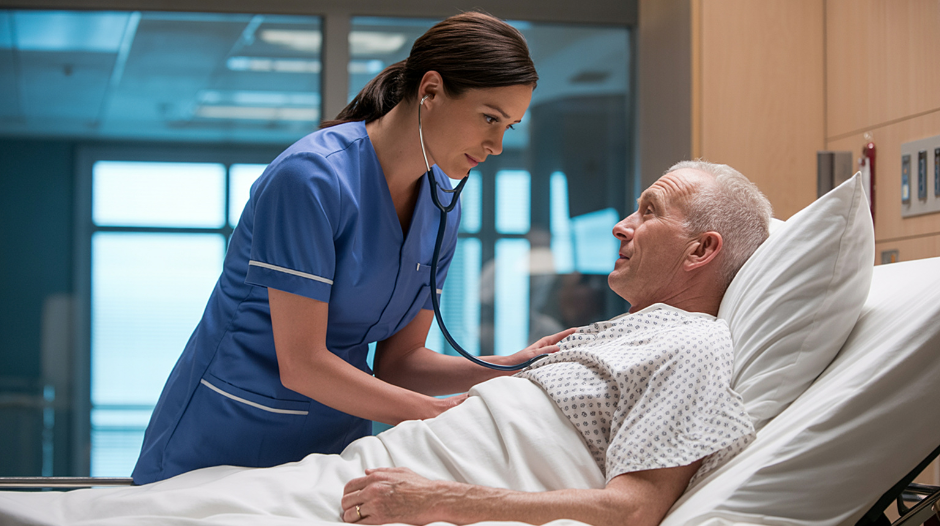
Consider having a notebook/iPad in the hospital, to record things to talk to the doctor or other people about when they see you on their rounds.
This article provides a practical overview of what that can look like, including preparation, hospital experiences, and the process of recovery and returning to everyday life. It highlights some of the challenges that may arise. Your body isn’t sick in the traditional sense but you still face challenges.
It is also important to recognise that having CP does not always make recovery more complex. In many cases, the coping strategies and adaptations developed through living with CP can support innovative problem-solving and help individuals navigate hospital environments more effectively.
General experiences of CP and medical procedures
Preparing for surgery when you live with CP often involves a bit more planning than usual. This can include thinking through how transfers will work, what equipment might be needed, and how daily routines may be affected. For families, this preparation can feel like balancing practical logistics with emotional readiness.
Communication with medical professionals is an important part of this process. While hospital staff are highly skilled, they may not always have detailed experience with CP, particularly in adult contexts. Sharing simple, clear information about how your body works can make a meaningful difference.
It can also help to have key information written down before admission, such as medication schedules, positioning needs, communication preferences, and important contacts.
Some people with CP may experience additional challenges during medical procedures, such as difficulty with IV access, increased muscle tone, or fatigue that lasts longer than expected. Surgery can also place physical, physiological, and psychological stress on the body.
CP and hospital advocacy
Many people with CP and their families already have strong advocacy skills. You may be used to explaining needs, navigating systems, and speaking up when something does not feel right.
Your input plays an important role in shaping your care. You and your family bring detailed knowledge about your body, including how you transfer safely, what positions are comfortable, and what causes fatigue or pain.
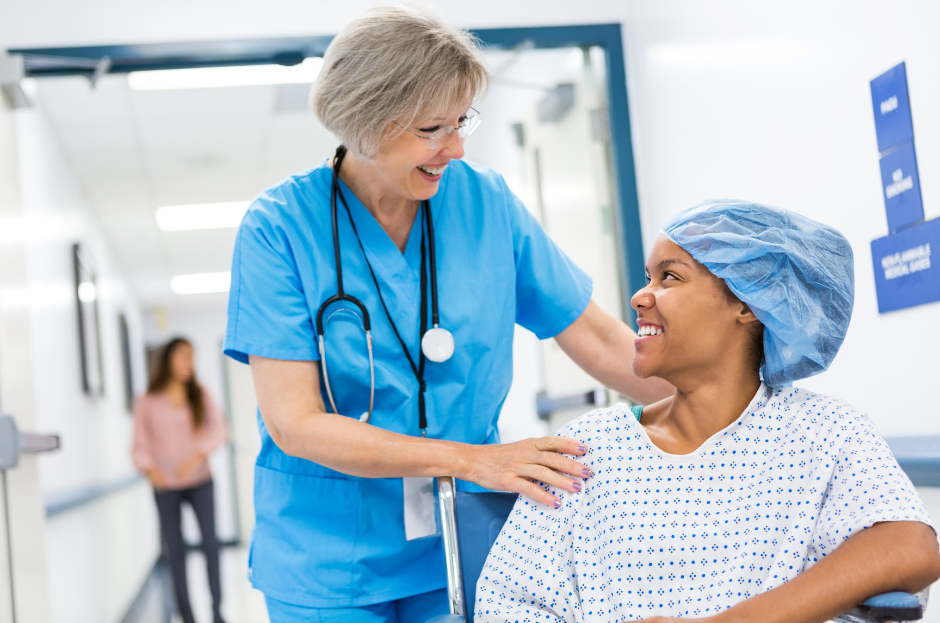
Even if you are a confident self-advocate, it might be worth designating a trusted family member who can support with this, especially while the anaesthetic wears off, or if you experience brain fog or fatigue during your recovery.
The hospital has allied medical professionals – occupational therapists, physiotherapists, speech language therapists and social workers – who are there to aid your recovery and rehab. Consider talking to them if/when your doctor does not appreciate the practical implications of life post-surgery.
Specific elements of CP and recovery
Physical
The physical demands of recovery can be significant. Many people notice increased fatigue and a temporary reduction in mobility. Transfers may need to be adapted, and additional assistance may be required.
Procedures such as injections, IV lines, and blood tests can sometimes be more complex. Everyday activities like eating and toileting may also require adjustments. It could be helpful to ask for additional help even with tasks that were simple in the past.
Psychological
Hospital experiences can bring up a range of emotional responses, including anxiety or feeling overwhelmed. Communication can become more difficult when you are tired or in pain, so simple strategies and support people can help. Recovery does not always follow a straight line, and planning ahead for discharge can make the transition home easier. Consider asking people to stay for the afternoon or the first night at home until you feel that you are back into a regular rhythm.
Physiological
CP can influence how the body responds to medications and anaesthesia. Hospital stays can disrupt sleep, routines, and medication timing. Nutrition and digestion can also be affected, with nausea or reduced appetite being common. It could be a good idea to start with lighter foods and smaller meals as your body adjusts to the changes.
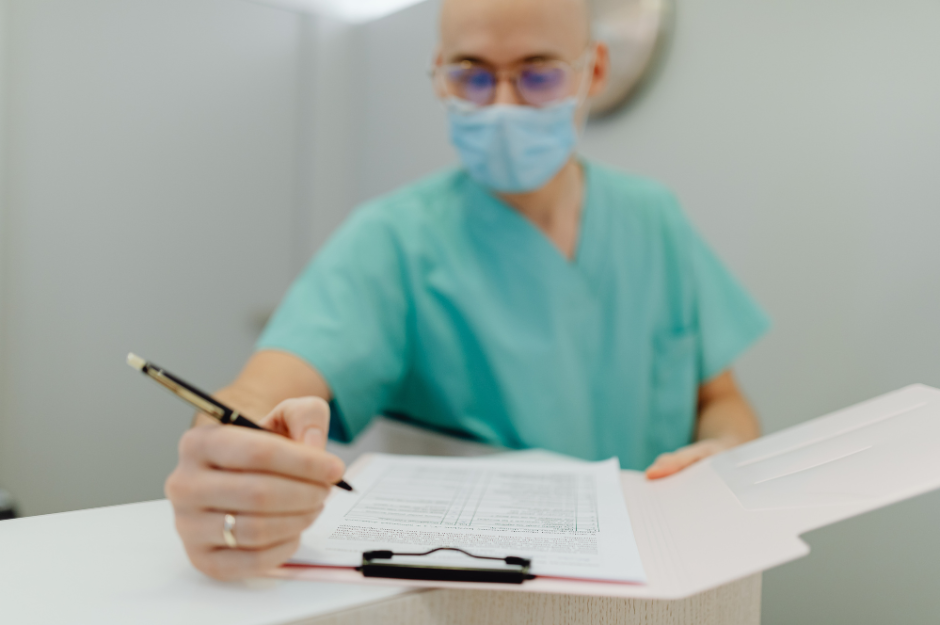
Packing before going to hospital
This article talks about planning and getting ready for events such as hospital visits or procedures. However, not everyone is a natural planner, and some parts of being in hospital are difficult — or impossible — to prepare for in advance. Planning is not about controlling every detail or doing everything “perfectly.” It is about identifying a few small things that may make the experience easier, such as recording key information, packing familiar comfort items, checking access needs, or knowing who to contact if something changes. Even small preparation steps can help, without needing to get stuck in over-planning.
Important things to pack:
- Medication
- Mobility aids
- Communication aids
- Laptop, tablet or phone for recording things.
Stages of recovery
Acute hospital recovery
This is the immediate period after surgery, focusing on monitoring, pain management, and early recovery. Hospital staff will want to know that you are able to do basic health functions. This may look different for people living CP with different levels of independence. They should ask you to do activities that are feasible and part of everyday life.
Returning home and recovering
Going home is a positive step in the recovery process, but it is likely to require some adjustments as support shifts from hospital to home.
It may take a few days to adjust and there may be a need for extra periods of rest.
Building everyday home routines
Take your time to gradually increase activity and re-establish daily patterns such as household chores or caregiver routines.
Returning to full activities
Returning to usual activities takes time and looks different for everyone. Conserve your energy for when you return to full activities like returning to work or school or going out to visit friends.
Practical tips
- Before admission, it can help to write down key information, plan logistics, and think through support needs.
- Before surgery, confirm details, pack essentials, and allow time to rest.
- During recovery, communicate your needs clearly and take things slowly.
- At home, focus on rest and gradually rebuild routines.
Final thoughts
Surgical recovery with CP is a whole-body experience. There is no single right way to approach it. You and your family already bring valuable knowledge – recovery is about working with that and responding to what your body needs.
* Amy Hogan is the Cerebral Palsy Society’s Researcher and Member Support Advisor.
