
NEWS & UPDATES
CP and co-occurring conditions
15 May 2026
By Amy Hogan
Cerebral Palsy (CP) – Hōkai Nukurangi is often described as an umbrella term, and for good reason. It reflects a wide range of experiences, symptoms, and ways of moving through the world. At its core, CP is the result of a disruption or injury to the developing brain, and that disruption can happen in many different ways. As a result, no two people with CP will have the same experience.
Over time, our understanding of CP has grown and continues to evolve. Advances in imaging, genetics, and clinical research are helping us better understand not only how CP affects the brain and body, but also how it connects with other health conditions. For many individuals and families, CP does not exist in isolation. It often sits alongside other diagnoses, symptoms, or health patterns, which sometimes present early in life and sometimes develop later.
This is where co-occurring conditions become important. These are conditions that exist alongside CP but are not necessarily caused by CP itself. Sometimes they share overlapping causes. Sometimes they interact in ways that make each other more noticeable or more complex. And sometimes, they follow their own completely separate path.
This article is designed to help make sense of that complexity. It explores how CP and co-occurring conditions can relate to one another, how they can shape everyday life, and what it can look like to navigate this in practical, manageable ways.
Understanding CP and co-occurring conditions
To understand co-occurring conditions, it helps to start with a simple idea: the brain and body are interconnected systems that are constantly responding to each other. When there is an early disruption to the brain—as is the case with CP—it can influence how other systems develop and function. At the same time, the factors that contributed to CP, such as prematurity, genetic influences, or birth complications, may also increase the likelihood of other conditions developing.
Co-occurring conditions can include things like epilepsy, autism spectrum disorder (ASD), attention deficit hyperactivity disorder (ADHD), sleep difficulties, fatigue, pain, and behavioural differences. Some of these are well-recognised within CP communities, while others are still being explored and better understood.
One of the most important things to keep in mind is that co-occurring conditions are not simply “part of CP”. They may intersect with CP, but they are often distinct conditions with their own patterns, treatments, and trajectories. This distinction matters because it shapes how we approach care, support, and everyday decision-making.
At the same time, these conditions do not exist in isolation from each other. They can interact in ways that are subtle or very noticeable. For example, fatigue may be influenced by muscle use related to CP, but also by sleep disruptions linked to another condition. Behavioural differences may be shaped by neurological factors as well as environmental stressors. These layers can build on each other, creating experiences that are complex but also deeply individual.
What is known, what is suspected, and what is still to learn
Research into CP and co-occurring conditions is ongoing, and while researchers and clinicians have some clear insights, there are still many gaps in the understanding. Studies, including influential work from researchers such as Novak et al 2017, have highlighted the prevalence of certain co-occurring conditions and the importance of recognising them early.
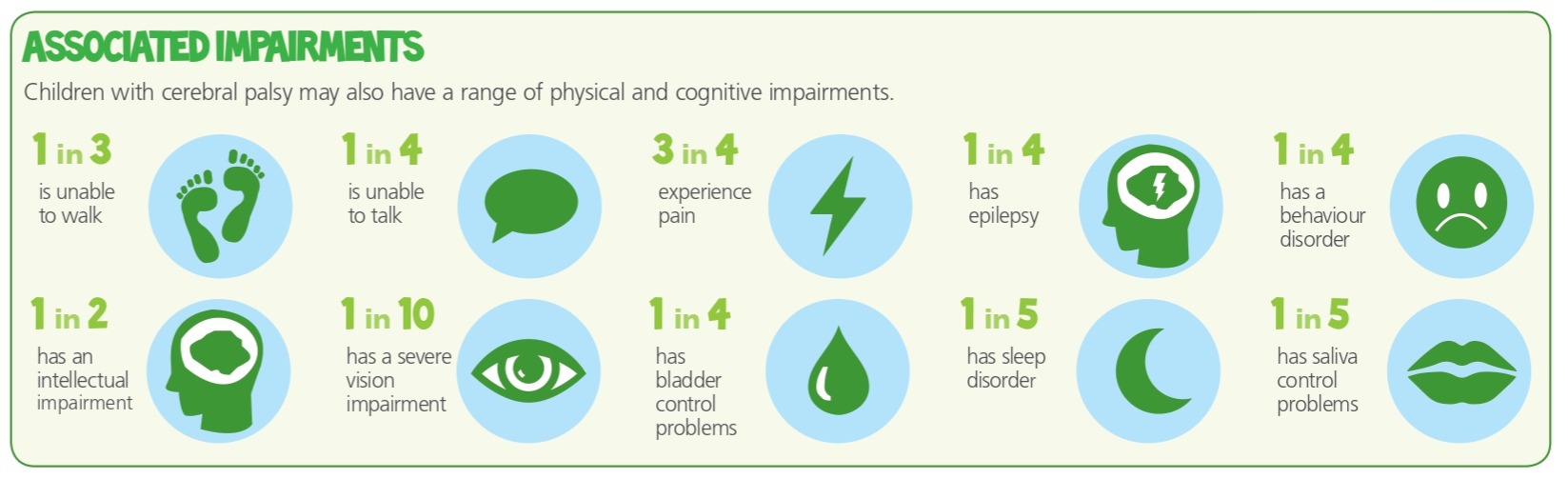
Conditions such as epilepsy, ASD, ADHD, and challenges related to pain, sleep, and fatigue are relatively common in people with CP. Family health history also plays a role. For example, if there is a family tendency toward conditions like high or low blood pressure, those patterns may still be present for a person with CP, just as they would be for any sibling.
It is suspected that the same early factors that contribute to CP may also influence the development of other conditions. There may also be shared neurological pathways that are only beginning to be understood.
Researchers are still working out how these conditions interact over time. How do they change across childhood, adolescence, and adulthood? How do they influence each other in day-to-day life? And how can health systems better recognise and respond to these interactions?
These unanswered questions can feel frustrating, but they also reflect an important reality: knowledge is growing, and lived experience continues to play a crucial role in shaping that understanding.
Living day to day with multiple conditions
The reality of living with CP and co-occurring conditions often feels less like a clear pathway and more like a balancing act. There are times when CP is the most visible or pressing aspect of life, and other times when a co-occurring condition takes centre stage.
For example, during early childhood, mobility and physical development might be the primary focus. Later on, learning strategies, attention, or behavioural support may become more important. In adulthood, fatigue, pain, or mental health may play a larger role. These shifts are normal, but they can require ongoing adjustment.
There are also times when conditions interact in ways that make things more complicated. A change in routine might increase fatigue, which in turn affects movement, concentration, or emotional regulation. A medical intervention for one condition may have unintended effects on another. These moments can feel overwhelming, particularly when there is no clear “right answer”.
At the same time, there may be periods where daily life is shaped more by a co-occurring condition than by CP itself. This can sometimes be unexpected, especially if CP has been the primary focus for many years. Recognising this shift can be an important step in adapting support and expectations.
Building a sense of routine and baseline can also be challenging. What feels “normal” can change depending on health, environment, and life stage. This is why flexibility is so important. Rather than aiming for a fixed routine, it can be more helpful to think in terms of patterns—what tends to work, what tends to trigger changes, and what helps bring things back into balance.
Health and wellbeing considerations
Navigating health systems with more than one condition can be complex. While New Zealand has a strong public health system, access is not always straightforward, particularly for routine screenings like vision or hearing tests.
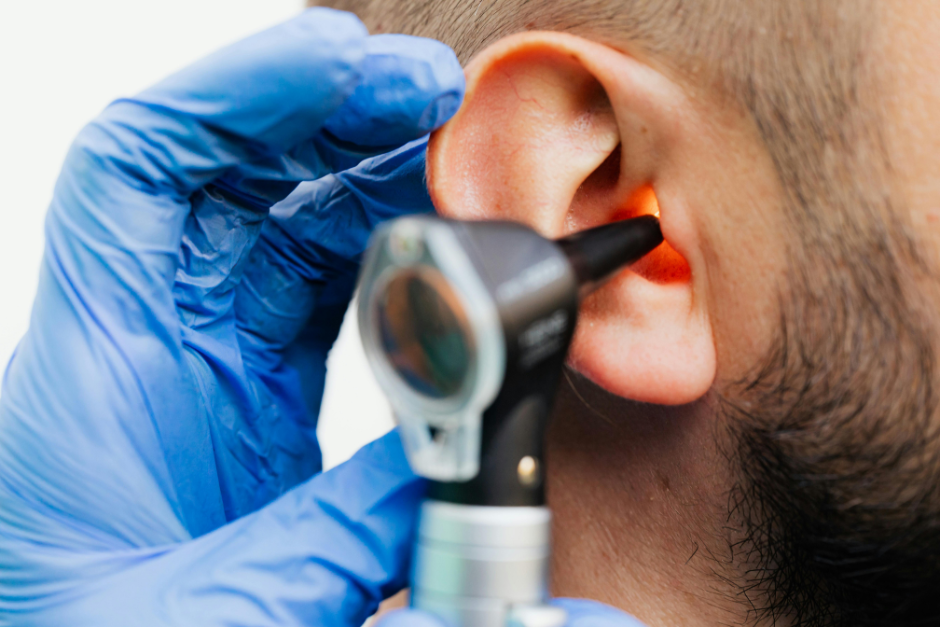
One of the key challenges is establishing a clear health baseline. For someone with CP and co-occurring conditions, “normal” measurements may not align with standard expectations. For example, muscle tone, movement patterns, or communication differences can influence how assessments are conducted and interpreted.
This is where understanding your own baseline—or your child’s baseline—becomes incredibly valuable. It provides a reference point that can guide conversations with healthcare professionals and help identify when something has changed.
It’s also important to recognise that clinical measures don’t always capture lived experience. Pain scales, for instance, may not reflect how pain actually feels in daily life. Similarly, measures of wellbeing may not account for the effort required to maintain routines or participate in activities.
There can also be situations where the needs of one condition don’t perfectly align with another. For example, a treatment that supports one aspect of health may increase fatigue or discomfort elsewhere. Finding the right balance can take time, and it often involves trial and adjustment rather than a single solution.
Education, work, and energy
Education and employment bring their own set of challenges when navigating CP and co-occurring conditions. These environments often require sustained attention, physical effort, and the ability to process information quickly—all of which can be influenced by multiple health factors.

Energy becomes a central consideration. For many people, it’s not just about how much energy they have, but how that energy is used and replenished. CP can affect physical energy, while co-occurring conditions may influence cognitive or emotional energy. Together, they shape how a person moves through the day.
Sleep plays a major role here. Disruptions to sleep can have a ripple effect, influencing fatigue, concentration, mood, and physical comfort. Understanding individual sleep patterns—and how they are affected by different conditions—can be an important part of building sustainable routines.
In both school and work settings, strategies often need to be tailored and flexible. This might include spreading out tasks, incorporating rest breaks, using assistive technology, or adjusting expectations around productivity and timing. These adjustments are not about lowering standards; they are about creating conditions where people can participate in meaningful ways.

Social life, connection, and emotional realities
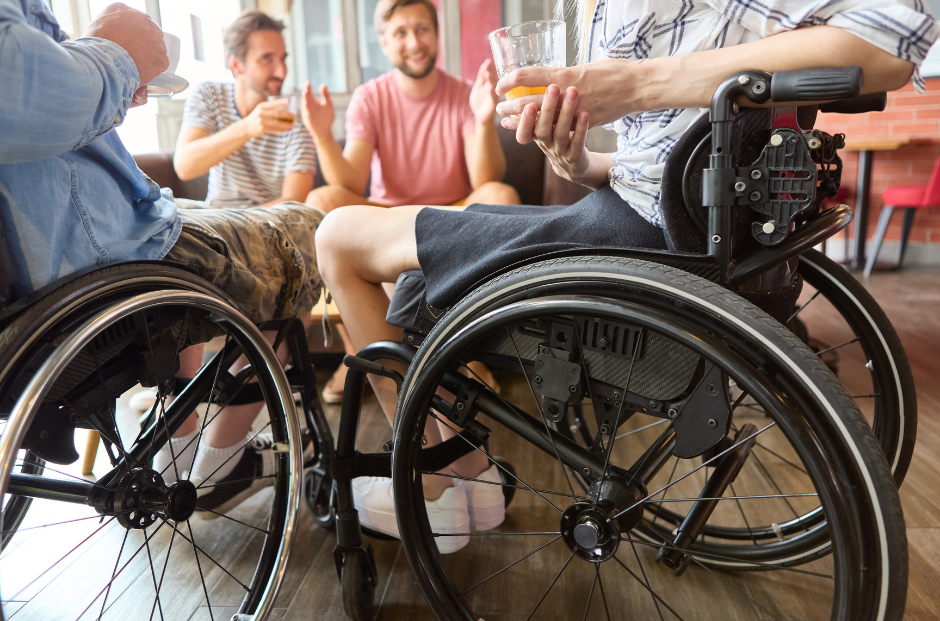
Social connection is an essential part of wellbeing, but it can also require careful planning and energy management. Attending events, catching up with friends, or participating in community activities can take more effort when CP and co-occurring conditions are involved.
There may be physical considerations, such as accessibility or fatigue, as well as less visible factors like sensory processing, anxiety, or pain. These can influence not only whether an activity is possible, but also how enjoyable or sustainable it feels.
Building social energy often means starting small and gradually expanding what feels manageable. It may involve choosing environments that are predictable, allowing time for rest before and after events, or being selective about which activities to prioritise.
There can also be emotional layers to navigate. Moments of comparison, frustration, or grief may arise, particularly when spontaneous activities or opportunities feel out of reach. These feelings are valid and common, and they don’t take away from the value of connection or the possibility of meaningful social experiences.
Open communication can make a significant difference. Helping friends, family, or colleagues understand what works—and what doesn’t—can create a more supportive environment. This doesn’t need to be a formal conversation; it can be as simple as sharing preferences, limits, or small adjustments that make things easier.
Practical tips and low demand strategies
There is no perfect formula for managing CP alongside co-occurring conditions, but there are some practical approaches that can make things feel more manageable over time.
One of the most helpful starting points is understanding your baseline. This includes recognising patterns in energy, sleep, mood, and physical comfort. Keeping track of what tends to work well—and what tends to lead to challenges—can provide valuable insights.
Communication with healthcare professionals is also key. Bringing clear information about symptoms, patterns, and concerns can help ensure that care plans reflect the full picture, rather than focusing on a single condition in isolation.
Medication management is another important area. When multiple conditions are involved, it’s essential to consider how different medications may interact. Regular reviews and open conversations with healthcare providers can help identify any issues early.

Returning to the basics can be surprisingly powerful. Nutrition, hydration, and sleep form the foundation of wellbeing, but they can easily be disrupted when managing multiple conditions. Focusing on small, consistent habits in these areas can make a noticeable difference.
Rest and recovery deserve attention as well. This doesn’t just mean taking breaks when things feel overwhelming, but also building rest into daily routines in a proactive way. This might include quiet time, gentle movement, or activities that support relaxation.
Finally, flexibility is one of the most valuable tools. Plans may need to change, routines may need to adapt, and what works one week may not work the next. Approaching this with curiosity rather than frustration can help create space for adjustment and learning.
Closing thoughts
Living with CP and co-occurring conditions is not about finding a perfect balance or a single way of doing things. It’s about understanding how different elements interact, recognising patterns over time, and building strategies that support everyday life in a realistic and sustainable way.
There is no right or wrong approach in the moment. Some days will feel straightforward, and others will require more effort and adjustment. Both are part of the experience.
As research continues to grow and understanding deepens, one of the most valuable sources of knowledge remains lived experience. Individuals and families bring insight, adaptability, and resilience to this space, shaping not only their own journeys but also the broader understanding of CP and co-occurring conditions.
And perhaps most importantly, this is not something that needs to be figured out all at once. It can be approached step by step, with room for learning, adjustment, and care along the way.
* Amy Hogan is the Cerebral Palsy Society’s Researcher and Member Support Advisor.
