
NEWS & UPDATES
Parents, give yourself permission to do things your own way
16 Jul 2026
Parenting is a rollercoaster ride of highs and lows, but when you add living with a disability into the mix, there are extra challenges to contend with.
Cerebral Palsy Society members Kris Edwards and Tiresa Sio say when you live with Cerebral Palsy (CP) – Hōkai Nukurangi, there is a sense of fear and nervousness in the early days of parenting.
But when they made adjustments and gave themselves some breathing space, they were able to “enjoy the joy” of parenting.
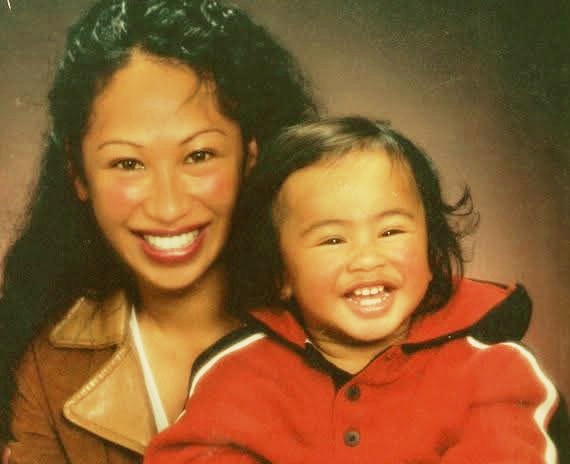
Here Tiresa, mum to Callan, 27, shares her journey of raising a child when you live with Cerebral Palsy.
Kris is dad to 14-year-old Caleb and stepson Zac, 22, shares. You can read about his experiences here.
Tiresa Sio
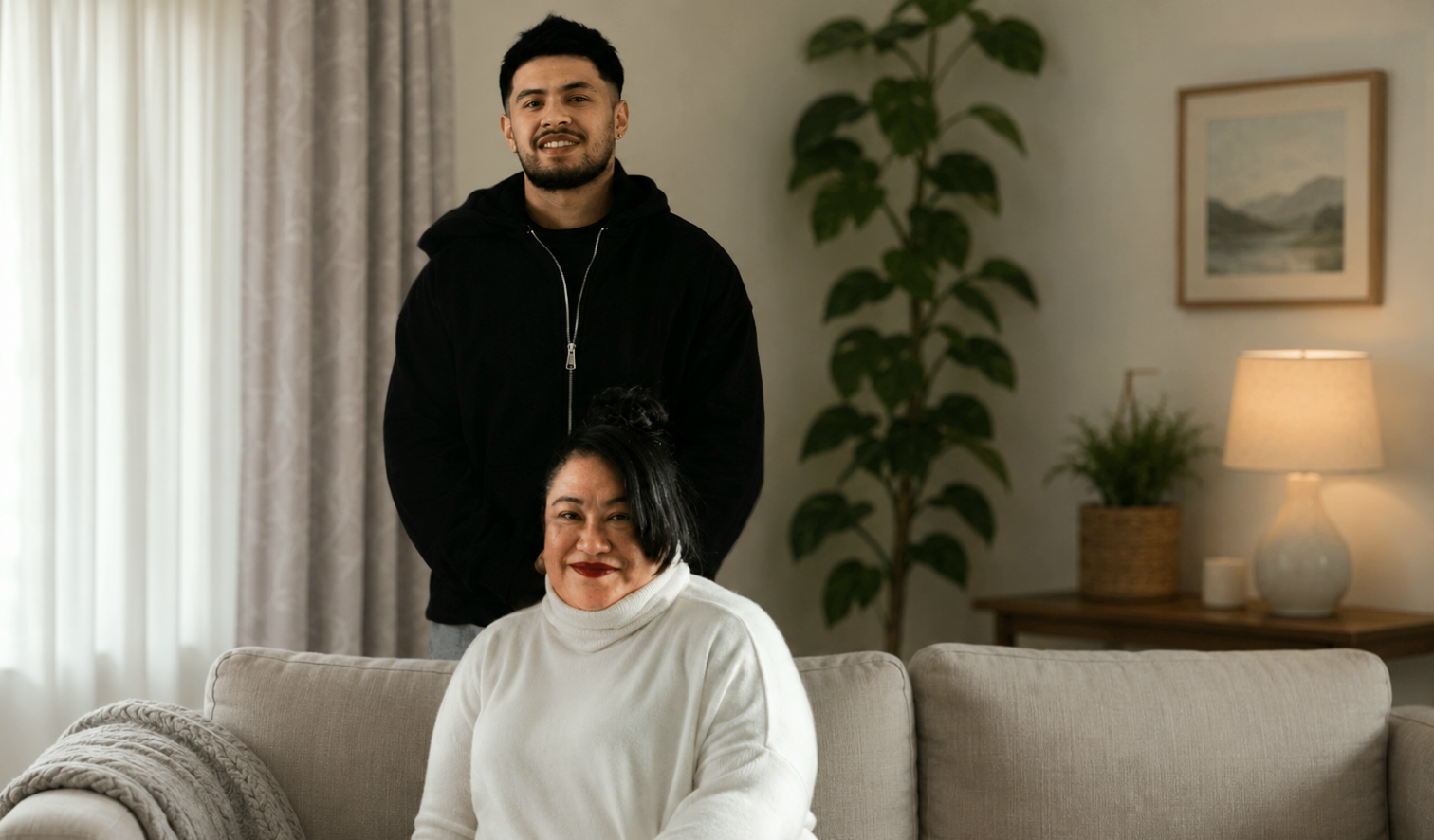
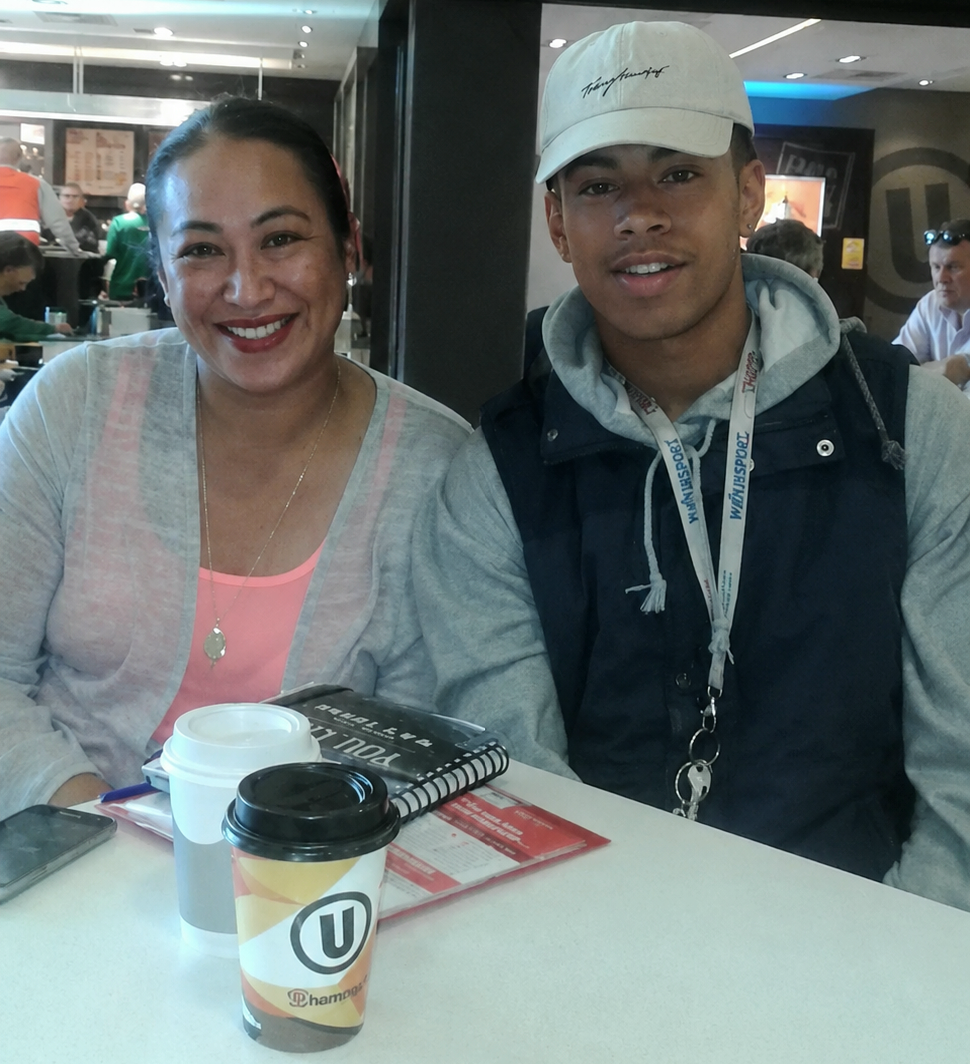
Tiresa and her son Callan.
What GMFCS level are you? How does CP affect your body and what impact does that have/has it had on parenting?
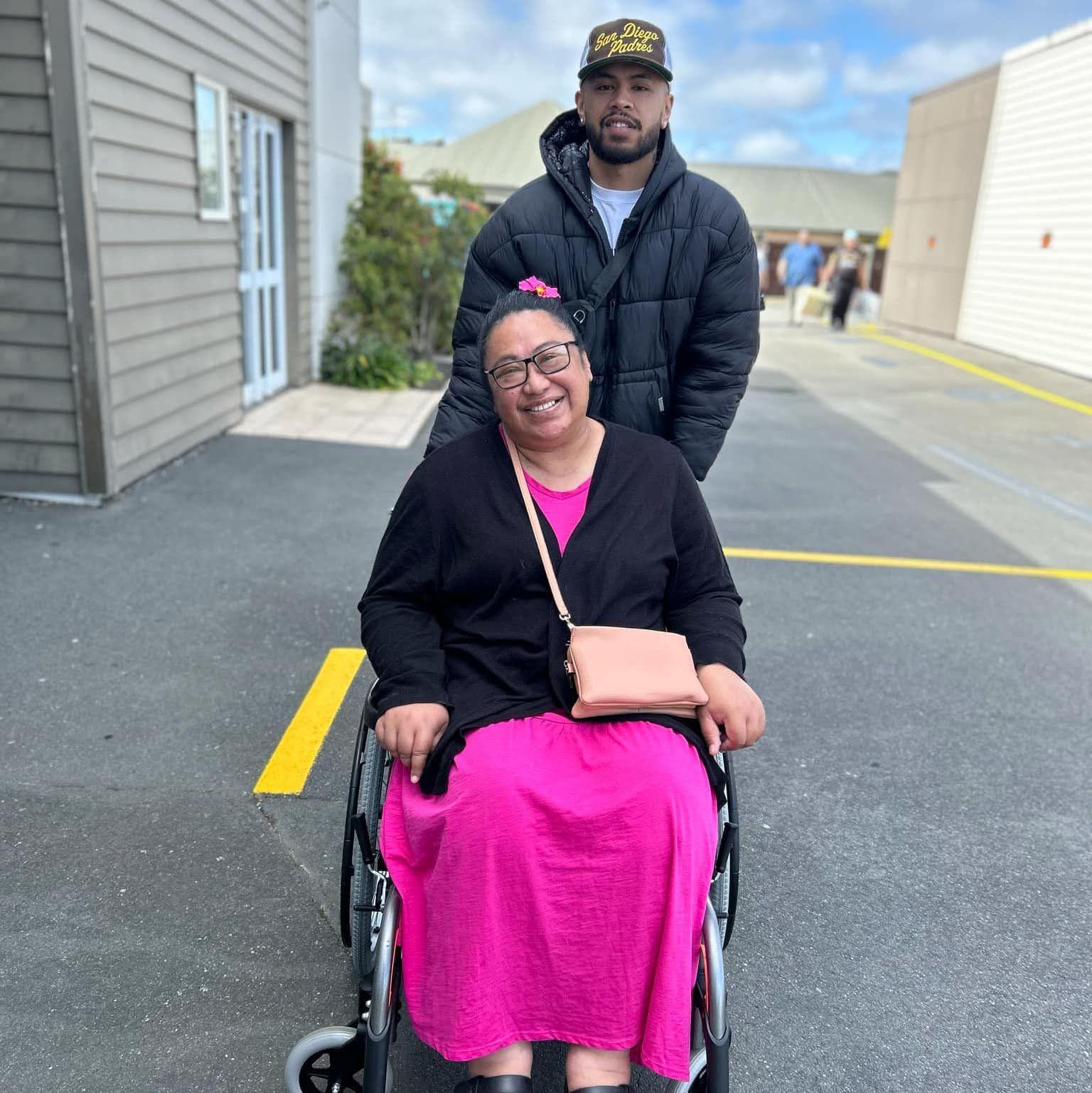
I am GMFCS 3. I have right hemiplegia CP, which affects me both physically and cognitively. For me, it mainly affects the right side of my body, including my arm, hand, leg, balance, coordination, strength, and fatigue levels. My left side has overcompensated for ‘doing all the work’. It has been two years since being a wheelchair user.
As a parent, most things were actually manageable, especially when my son was younger. I learned to adapt tasks in ways that worked for me and over time those adjustments simply became part of everyday life. Simple things like positioning, pacing myself and finding safer or easier ways to do physical tasks made a big difference.
Parenting was mostly easy for me until I reached my 40s, when the physical impact of CP became more noticeable. My mobility gradually declined, fatigue became harder to manage and everyday tasks started taking more out of me physically than they used to.
Even with those challenges, I remained very involved in my son’s life and upbringing.
I think living with CP taught me resilience, problem-solving and adaptability – qualities that also shaped the way I parented.
Did you have any concerns, fears or worries about pregnancy/becoming a parent? What were they and how did you work through them?
I didn’t mind whether my baby was a boy or girl. However, I was a little nervous about having a girl because there would be extra steps involved, like doing her hair.
I was also nervous during labour and wondered whether I would be strong enough to handle it. Thankfully, everything went smoothly. I had a natural birth with no pain relief and the delivery only took an hour. Afterwards, I was completely drained, but I also felt an overwhelming sense of pride! My son is and always will be, my proudest achievement.
Feeding time took a little adjustment in the beginning. I found that placing a pillow under my hemi arm for support really helped, especially when sitting in a chair with an armrest. With the right positioning and by using my dominant hand, feeding became much more manageable.
Was there much information available to you about being pregnant/parenting and living with CP?
At the time, I personally didn’t receive much information or guidance about pregnancy and parenting while living with CP, although it definitely would have been helpful.
Growing up, English was my second language, and I actually didn’t even know my condition was called Cerebral Palsy until much later in life, when I read through stacks of my childhood medical notes. Because of that, I didn’t really grow up with the language or understanding to seek out specific support or resources related to CP and parenting.
A lot of what I learnt came through lived experience, adapting along the way and figuring out practical solutions that worked for me as a mum.
Looking back at my answer, this highlights something important that often gets overlooked: language barriers, access to information and how many disabled parents simply had to “work it out” without tailored support.
What kind of information would have been helpful? What did you wish you knew?
Looking back, having more accessible information and support specifically for parents living with CP would have been helpful, especially information that was easy to understand for people from different language backgrounds and cultures.
Today there is much more support available through different organisations, which is wonderful to see. At the time, there were fewer visible resources and conversations around disability and parenting.
Although I may not have had a lot of formal information, I was very well supported by the people around me. My GP and midwife were both incredibly helpful and supportive, especially once my son became more active and mobile. My biggest support was my mum, who stepped in a lot, especially with bathing and some of the more physical tasks as he grew older and constantly on the move.
One thing I wish I had known earlier was that it was okay to adapt parenting in ways that worked for me and that asking for support did not make me any less capable as a mother.
Support made it possible for me to parent confidently and safely, while still being fully present in my son’s life.
Because CP is not one-size-fits-all, support and information around parenting also needs to be tailored to the individual, as everyone’s experiences and abilities are different.
What is one of the hardest things about being a parent with a disability?
One of the hardest things about being a parent with CP came later in life, as my mobility gradually declined.
It was after his 21st that things became physically harder for me and I slowly had to rely on him more for support. That was also when he truly began to understand the extent of my disability. Without hesitation, he stepped into the role of becoming my full-time carer.
As a mother, that role reversal was emotionally difficult at times. I always wanted him to fully experience life first – to explore the world, build his future and enjoy being young. But his love, loyalty and willingness to support me never wavered.
In many ways, our roles gradually changed. I went from being his full-time carer as a mother, to him becoming mine. While that has been one of the hardest parts of living with a disability, it has also shown me the depth of the bond we share.
What is one of the best things about being a parent with a disability?
One of the best things about being a parent while living with Cerebral Palsy has been the close bond my son and I share. In many ways, it feels like we grew up together.
He has honestly been the easiest person to care for. From a young age, he learned compassion and understanding and how to adapt to different situations naturally. Disability was never something unusual in our home – it was simply part of our everyday life.
What strengths (aka superpowers) did you develop as a parent who lives with a disability?
What stands out to me most is that I never really grew up thinking of myself as “disabled.” I simply learned to do things differently and found my own ways of getting things done.
Being independent has always been important to me and becoming a parent strengthened that even more. I naturally became someone who problem-solves in the moment, adjusts quickly and figures out practical ways to make things work.
Living with cerebral palsy helped shape my ability to adapt, think creatively and stay determined when things didn’t go to plan. Over time, those skills became part of everyday life rather than something I had to consciously think about.
Parenting also pushed me to grow in confidence and purpose. It led me to become more involved in the community and more vocal in advocacy, not just for myself but for others navigating similar experiences.
I think one of my biggest strengths is simply finding a way forward, trusting my own judgement and continuing to show up fully as a mum in my own way.
What strengths (physical or emotional) or traits did your child develop because they have a parent with a disability?
Growing up with a parent who lives with Cerebral Palsy has shaped my son in ways I deeply appreciate. One of the biggest strengths he developed is empathy. From a young age, he naturally became aware that people move, do things, and experience life differently.
He also learned patience and understanding early on. Instead of expecting everything to be done in one way or at one pace, he grew up adapting alongside me and accepting that different approaches are normal.
Independence is another strong trait he developed. Because he saw me doing things in my own way, he also became confident in figuring things out for himself and stepping up when needed. Over time, he didn’t just become supportive – he became capable and responsible in his own right.
I think most importantly, he learnt that disability is just part of life, not something to be feared or pitied.
It simply exists alongside everything else. That perspective has shaped him into a grounded, compassionate and very understanding person.
Do you have a personal story/experience (funny, heartwarming, poignant) you’d like to share about parenting when you live with CP.
There are many stories but one moment that really stayed with me happened on a rainy day when my son drove me to the supermarket.
He had just helped settle me into the car and put away my walking frame. As he started to walk back, he noticed an elderly woman struggling in the pouring rain to unload her trolley.
Without hesitation, he went over and gently asked if she would like some help. She accepted and he helped her unload the rest quickly.
Kindness like that has always been part of who he is. He often steps in during moments like this, especially when he sees someone who needs a bit of help.
That day, I remember sitting in the car and quietly filming him. I don’t usually do things like that, but I just felt an overwhelming sense of pride watching him.
At that moment, I wasn’t just proud of what he did. I was proud of the person he has become.
Do you have any parenting advice or tips for those who live with CP and are parents?
 My biggest advice is to give yourself permission to do things your own way.
Parenting while living with CP does not look the same for everyone and that’s okay. There is no single “right” way to do things. What matters most is finding what works safely and practically for you and your child.
Don’t be afraid to adapt. Whether it’s positioning, pacing yourself, using tools, or leaning on support systems, small adjustments can make a big difference. Over time, those adjustments become second nature.
It’s also important to accept help when it’s offered. I used to think I had to do everything on my own, but I’ve learnt that support doesn’t take away from being a good parent – it actually helps you show up more fully for your child.
And most importantly, trust yourself. You know your body, your limits and your child better than anyone else. Confidence grows over time, especially when you allow yourself to parent in a way that fits your life, not someone else’s expectations.
Is there anything else you’d like to share/you think other parents would benefit from knowing?
Different doesn’t mean less. It simply means adapted.
There is also so much support available now, that didn’t feel visible when I was raising my son and I really encourage parents not to go through things alone. Whether it’s family, health professionals, or disability support organisations, having a support network makes a huge difference!
For me, parenting has been shaped by love, adjustment, and learning as I went. I didn’t always have all the answers, but I always showed up for my son and that is what mattered most.
If anything, I’ve learnt that children don’t need perfect parents. They need present, loving ones who are willing to grow alongside them.
For more information:
Melanie Louden
Communications Manager
melanie@cpsociety.org.nz
Mobile: 022 087 819
