
NEWS & UPDATES
Buying disability equipment: A practical guide
16 Jan 2026
By Amy Hogan and Peter Rawlings
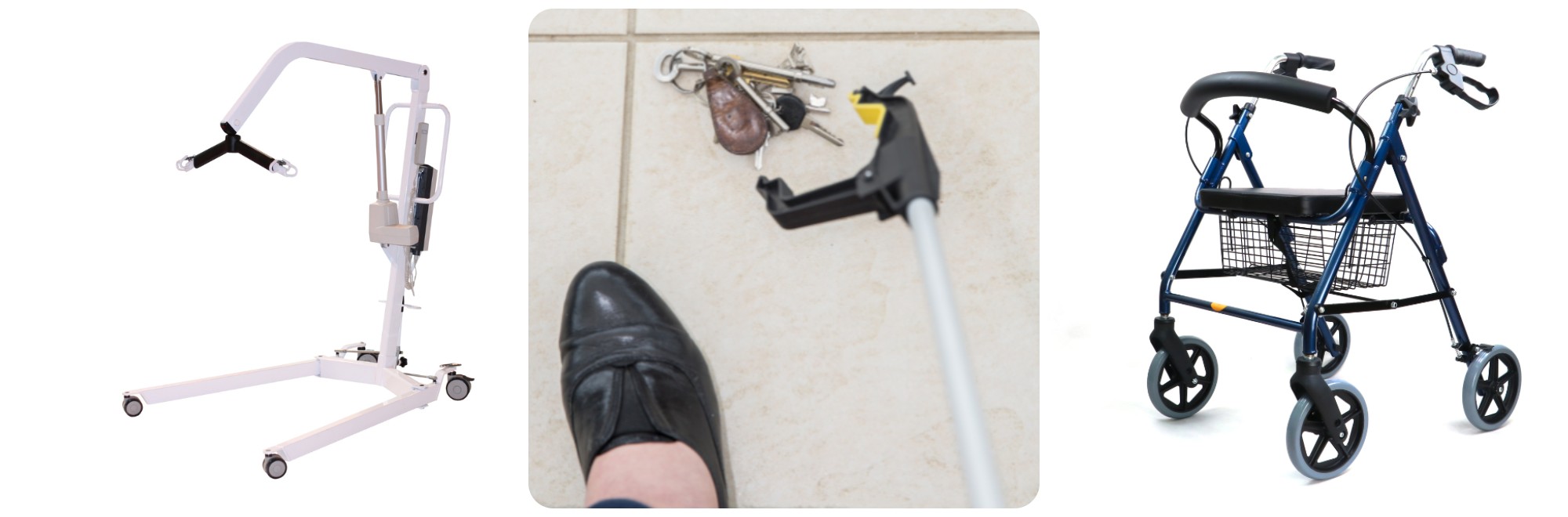
Cerebral Palsy – Hōkai Nukurangi is an equipment-heavy condition, and the right gear makes a huge difference to comfort, safety, mobility, and energy.
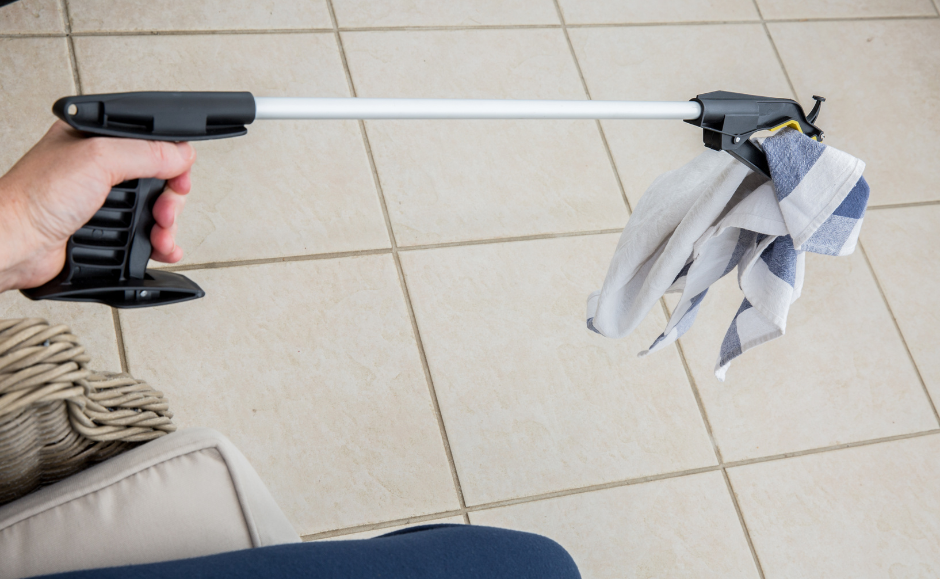
Many of us put a lot of load and daily stress through our equipment — crutches, wheelchairs, stools, hoists, bathroom supports, walkers, wedges, and more. Because of this, it’s important that the equipment that you buy is safe, durable, and fit for purpose, so money isn’t wasted, and people stay safe.
Equipment usually falls into good / better / best categories:
- Good: Basic models, budget-friendly, shorter functional
- Better: Stronger materials, higher load limits, moderate price, more appealing design
- Best: Generally, the best design and quality of finish, may come with added features.
Product source and safety standards
Depending on the type of equipment that you or your family are looking for, the standards may vary in terms of what is considered safe and reliable and where you can find safety information.
Research into equipment doesn’t need to be extensive or exhaustive, but there are a few things that are worth checking – particularly for equipment that is supporting mobility, weightbearing, or transferring.
Most online suppliers will have technical information or safety features included in the product description. It’s not always necessary to read the specifications in detail but knowing that the equipment has been reviewed can be a starting point when you are considering equipment.
When browsing online or buying second-hand, there are a few things to check and consider:
- Where is the product from?
Items from Aotearoa New Zealand, Australia, the United Kingdom, Europe, or the United States sellers must follow certain safety standards. - Do they state any safety or testing guidelines?
Look for terms like ISO standards, load rating, weight capacity, medical-grade materials, or TGA/CE certification. - Avoid ultra-cheap mass-market platforms (e.g., Temu, Shein) for anything weight-bearing or movement-related. These rarely have reliable testing and can break suddenly.
- Is it comfortable to use: Most things should be easy and comfortable to use, with the ability to be adjusted.
Rule of thumb: If it holds your weight, supports your balance, or has moving parts, it needs proper certification.

NZ availability and maintainability
It’s a reality that when you live in Aotearoa New Zealand, much of the disability equipment available is sourced from overseas. When selecting equipment, whether you are buying in-person, online, or second-hand, it can be useful to consider what the repair or troubleshooting options are. Are these types of equipment or models available in the Aotearoa New Zealand market or are there reliable communication channels overseas to perform a tele-review using online software? You wouldn’t need to consider these principles for smaller or general items such as nonslip mats. But when purchasing more expensive items or items that you intend to use for weight-bearing, Aotearoa New Zealand contacts can be useful.
Questions to consider:
- Can someone in Aotearoa New Zealand service or repair this equipment?
- Are replacement parts (wheels, handles, cushions, screws) easy to get?
- If something breaks, are you stuck, or can any local technician fix it?
- Is it showing early signs of wear and tear?
Imported bargains can become expensive if no one in Aotearoa New Zealand can repair them.
Reviews, reputation and community knowledge
There will always be a wide range of equipment options, each with varying levels of quality. This is particularly the case with the increasing presence of second-hand options, diverse suppliers, and large online marketplaces such as Temu and AliExpress.

Conditions like Cerebral Palsy – Hōkai Nukurangi require a range of equipment, some of which are ultra-customised (such as seating) and others are more generic (such as grab rails). When considering generic purchases around disability equipment, we recommend looking for reviews, feedback or community recommendations.
Tips to consider:
- Check independent reviews, not just the seller’s website
- Look for comments about long-term durability (6–12 months)
- Ask the CP community, physios, or OTs — many people already know which models last
- Search YouTube for reviews; these show build quality better than photos.
If you can’t easily find reviews or community feedback for a well-established product it would be worth proceeding with caution because legitimate equipment suppliers will generally build up their reviews before going to market.

Longevity: How long do you need it to last?
When considering equipment, it’s important to have a sense of how long you need the equipment for. Within the context of Cerebral Palsy – Hōkai Nukurangi, there may be additional needs that are temporary, such as shower chairs after surgery or grab rails. How long you need the equipment for plays a role in understanding what kind of durability you need. Even equipment you need in the short term should not wear out quickly or suddenly. All equipment should be safe for use and fit for purpose. However, equipment may have a shorter life cycle in one home versus another depending on the rates of use and requirements
Think about:
- Daily vs occasional use
- Indoor vs outdoor environments
- Whether it will need to last through growth, changes in mobility, or fatigue progression
- Whether you’ll need customisation later (padding, height adjustments, accessories).
When in doubt, invest slightly higher in anything you rely on daily.
Using new or prototype equipment
People living with disabilities, or their families, may encounter equipment that is new to the market and is therefore building its reputation, gathering reviews, and establishing technical support. Sometimes, suppliers may even ask members of the community to test their equipment in advance. There isn’t anything necessarily wrong with testing new equipment. However, it’s essential to note that even new equipment on the market should be able to meet safety specifications. The supplier or representative should also be willing to talk to you about any technical questions.

Here are some points to consider for new or emerging equipment:
- Has this been tested in a range of environments?
- Is there anything that you need to be aware of – ie specific features?
- Can people with a range of Cerebral Palsy – Hōkai Nukurangi and other motor impairments use this equipment easily?
- Are contact details easy to find if you need advice, support or have questions?
Buying privately online
In private transactions such as Trade Me or Facebook Marketplace, the seller should be able to direct you to the safety information or the model that you can look up online.
Almost all mass-produced equipment has some level of information online, including the safety specifications. It’s useful to know the brand name of generic equipment, such as shower chairs or where equipment like grab rails were purchased.
Measure everything
Photos can make equipment look bigger (or smaller) than expected. When buying online check:
- Seat width
- Overall width and depth
- Height ranges
- Footplate measurements
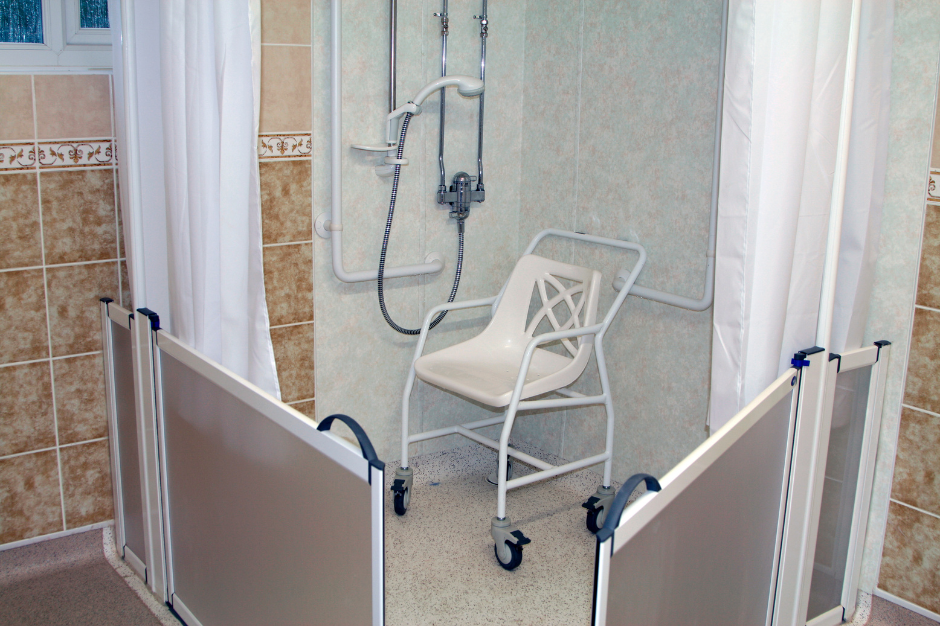
- Bathroom fit (shower chairs often fail here)
- Whether it works with your wheelchair or home layout.
Ask questions and get technical support
Reliable sellers should be willing to answer your questions depending on the source or equipment. The willingness to answer questions in general is a good sign. But make sure they can answer the questions that are relevant to you or your family’s circumstances.
- Is there any known damage or issues?
- What is the weight limit?
- Are there trial periods, returns, or warranties?
- What materials are used?
- How long do parts typically last?
- Can they recommend a technician?
If the seller can’t answer basic safety questions, proceed with caution. For almost all disability equipment, there is more than one option at a range of price points.
Additional considerations
This article aims to provide a general overview of sourcing and buying equipment, however, you don’t need to follow these instructions to the letter. The important aspect to take away is that there is a huge range of disability equipment or equipment that is marketing itself as disability equipment. So, it’s important to consider safety and durability when making choices.
Here are extra points to consider:
Try before you buy
If possible, test the equipment at:
- Local OTs/physios
- Disability expos
- Disability equipment shops
What works for one body doesn’t always work for another.
Consider future servicing
Ask yourself: If this breaks on day 200, can I get it fixed on day 201?
Avoid “DIY” fixes unless approved.
Cable ties, duct tape, or DIY adapters can cause unexpected breaks or injuries.
Modifications should be done by a qualified technician.
Checklist
Before buying, check:
☐ Is it from a reputable source with genuine safety standards?
☐ Does it list weight limits/load ratings?
☐ Is it maintainable in Aotearoa New Zealand?
☐ Does it have independent reviews?
☐ Can I ask questions and get reliable answers?
☐ How long do I need it to last?
☐ Is “cheap” actually more expensive long-term?
Just remember……..
There is a broad range of disability equipment available, and selecting the right brand, version or style can feel daunting. Sometimes it takes a bit of trial and error to find the one that works best.
Just like buying something for the house or garden, you may end up picking something that seems ideal but then realise it doesn’t suit the way you actually live. That’s quite normal.
The goal here isn’t perfection — it’s finding what works, and being willing to change direction when it doesn’t.
 |
 |
|
* Amy Hogan is the Cerebral Palsy Society’s Researcher and Member Support Advisor. |
* Peter Rawlings is one of the Cerebral Palsy Society’s Member Support and Programme Coordinators. |
