

NEWS & UPDATES
Adapting to being sick, and recovering, when you live with CP
23 Oct 2025
By Amy Hogan
Most people feel off-balance when they’re sick — tired, achy, or unable to do as much as usual. But for people living with Cerebral Palsy (CP) – Hōkai Nukurangi, even a simple cold or stomach bug can take more energy to manage and sometimes linger longer than expected. Everyday tasks like moving, transferring, or maintaining posture can suddenly feel more difficult.

That’s not a sign of weakness — it’s part of how CP and the body interact. Muscle tone, fatigue, coordination, and balance can all be affected by illness. Knowing this ahead of time, and having a few strategies ready, can make recovery smoother and less stressful.
This article looks at:
- How sickness and CP interact
- The additional pressures on your body when you’re unwell
- Practical tips to help recovery
- How caregivers and family can support someone with CP during sickness.
We always recommend consulting a GP if your illness feels unusual, lasts longer than expected, or causes new or worsening symptoms. You know your body best — if something doesn’t feel right, it’s worth getting checked.
Sickness and CP: The bigger picture
CP affects everyone differently, but there are some shared patterns when it comes to being unwell. Many people with CP notice that when they’re sick — whether with a cold, flu, stomach bug, or seasonal allergy flare — their symptoms feel magnified or take longer to clear.

Some of the reasons can include:
- Fatigue: The body already uses more energy for daily movement, posture, and communication. When fighting off illness, there’s less “spare” energy for healing.
- Muscle tone changes: Fever, pain, or dehydration can alter muscle tone — making stiffness or spasticity worse for some people, or looser and shakier for others.
- Breathing and coughing: Muscle weakness in the diaphragm or trunk can make coughing less effective, which can mean mucus or congestion lingers longer.
- Digestive changes: Constipation, nausea, or reflux can worsen when the usual routines — food, fluids, rest — are disrupted.
- Medication interactions: Some over-the-counter medications can increase muscle tightness, fatigue, or interact with prescribed medicines.
These changes can make recovery slower. Many people describe it as feeling like their “usual” CP symptoms are turned up a notch — transfers take longer, muscles are tighter, or speech becomes less clear. It’s important to remind yourself (and others) that this is temporary, but real.
The additional pressures on the body when sick
Being sick adds extra strain to any body — but if you live with CP, there’s often less margin for error. Even small changes can ripple through your system in ways that others might not notice.
Energy and fatigue
Energy levels can plummet quickly when you’re unwell. You might find that activities you usually manage comfortably — showering, transferring, eating, or communicating — take double the effort. Fatigue can build up quickly because your body is already working harder than most to maintain function even on a good day.

Balance and coordination
If you have CP that affects balance or muscle control, sickness can make coordination less predictable. For example, dizziness from dehydration, blocked sinuses, or fever can make transfers riskier. Being aware of this helps you plan ahead — you may want to slow down, ask for help, or use different supports.
Muscle tone and spasticity
Pain, stress, or fever can alter muscle tone. Some people experience increased stiffness or spasms when they’re unwell, while others feel unusually floppy or weak. This can make posture harder to maintain and can lead to sore muscles if you’re resting in one position for too long.
Coughing, sneezing, and the diaphragm
Coughing and sneezing uses the diaphragm and trunk muscles — which can already be under strain for some people with CP. When you’re congested, sneezing repeatedly, or coughing hard, your muscles can become fatigued or sore. Supporting yourself with pillows or leaning slightly forward can help protect your diaphragm and spine.
Digestive system
If you’re vomiting or dealing with a stomach bug, it can be particularly hard on your body. Vomiting puts strain on the diaphragm and abdominal muscles, which can lead to spasms, fatigue, or soreness. It can also increase reflux. Staying hydrated with small sips and seeking medical advice early if dehydration becomes a concern is important.

Posture and pressure
When you spend more time resting, it’s easy to stay in one position for long periods — especially if you’re too tired to move. This can lead to pressure areas, discomfort, or muscle shortening. Small changes in position, cushions, or gentle stretches (if tolerated) can make a big difference.
Practical tips for managing sickness with CP
Every person’s situation is unique, but these general strategies may help you stay comfortable and recover safely.
Listen to your body
You know your “normal”. If your symptoms feel different, last longer, or make your usual tasks unsafe, it’s okay to rest and adjust your routine. Pushing through often delays recovery.
Rest strategically
- Schedule extra rest periods — even short naps can help.
- Don’t be afraid to rearrange your day — for example, moving heavier tasks to when your energy peaks.
- If lying down increases stiffness, try semi-reclined or supported positions instead.

Stay hydrated
Dehydration makes everything harder — especially for those with muscle tone challenges. If you have difficulty swallowing or drinking large amounts, try small sips often or use straws and adaptive cups. Electrolyte drinks can help if you’re losing fluids through vomiting or sweating.
Temperature control
If you tend to overheat or struggle to regulate body temperature, being sick can make that worse. Layer light blankets rather than using one heavy one. Keep your environment temperate — not too hot, not too cold.
Food and digestion
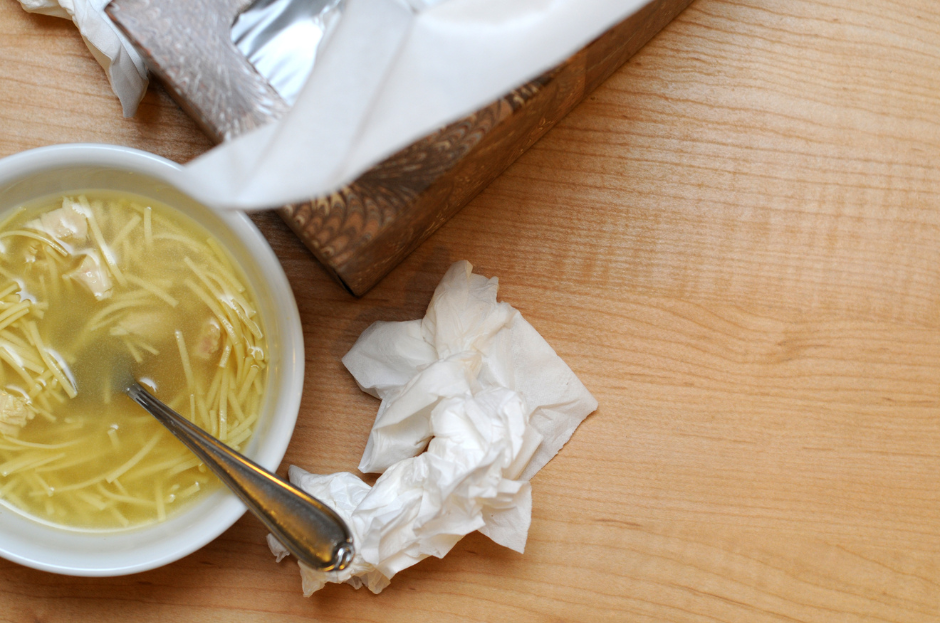
- Stick to bland, easy-to-digest foods (bananas, rice, toast, soups) until your stomach settles.
- If chewing or swallowing is tiring, try smoothies, yoghurt, or soft foods.
- Small, frequent meals may work better than large ones.
Transfers and movement
- Slow everything down. Your balance and coordination may not be as reliable.
- If you use mobility aids, make sure they’re close and clear of clutter.
- Consider adjusting how and when you transfer — for example, using a hoist or asking for help temporarily.
Breathing and cough support
- If you have limited trunk strength, try leaning slightly forward when coughing to help clear mucus.
- Using a pillow for support when sneezing or coughing can help stabilise the body.
- Humidifiers or warm showers can ease congestion.
Positioning and comfort
- Experiment with sitting and lying positions that ease strain on your neck, back, and chest.
- Pillows or wedges can help with reflux or breathing issues.
- Try changing positions every couple of hours if you can — even small shifts make a difference.
Medication management
- Keep a written list of your usual medications in case you see a casual GP or need to visit urgent care.
- Double-check with your doctor or pharmacist before taking new over-the-counter medicines — some cold and flu tablets can cause unwanted muscle tightness or fatigue.
Take it easy – recover slowly
Recovery can take longer when you live with CP — and that’s okay. Plan for a gradual return to routine rather than trying to “bounce back”. You might find fatigue lasts several days or weeks after the worst of the sickness passes.
Supporting someone with CP who is sick
If you’re a family member, friend, or caregiver, your support can make a huge difference — but it’s important to do so safely and respectfully.
Prioritise safety
Balance, muscle tone, and fatigue may all be affected. Check before assisting with transfers — what worked last week may not feel safe today. Ask before moving or adjusting someone’s body, especially if they’re sore or dizzy.
Encourage rest
It can be tempting to cheer someone on to “get back to normal”, but recovery takes time. Offer reassurance that slowing down is part of healing.
Support daily routines
- Prepare easy meals or snacks that don’t require much effort to eat.
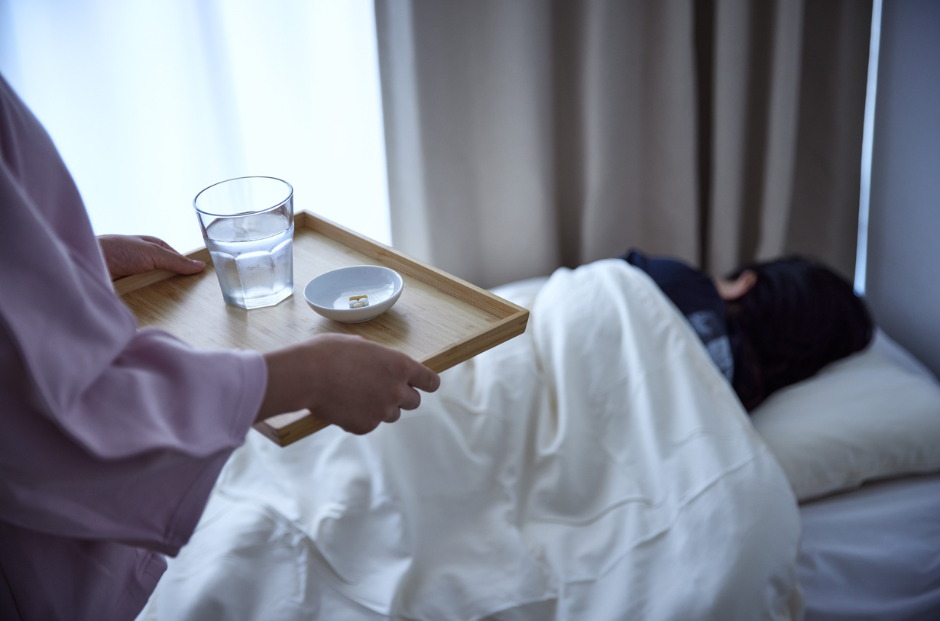
- Keep water and medications close by.
- Help with small but tiring tasks like laundry, changing bedding, or organising supplies.
Be mindful of posture
If the person is sneezing or coughing a lot, check their seating position — being slightly forward or supported with cushions can ease strain. If they’re lying in bed, make sure their neck and back are aligned and supported.
Watch for signs of fatigue or pain
Illness can mask usual signs of pain or tiredness. Look for subtle cues — shorter speech, slower movements, irritability, or stiffness. Encourage gentle stretching, rest breaks, or heat packs if appropriate.
Know when to seek help
If you notice signs like difficulty breathing, persistent vomiting, dehydration, confusion, or new muscle weakness, contact a doctor right away. It’s always better to be safe.
Care for yourself too
Caring for someone who’s unwell can be tiring. Make sure you’re getting rest, washing your hands often, and asking for backup if needed.
When to contact a doctor
Always seek medical advice if:
- Symptoms last longer than expected or seem unusual for you
- You have a high fever that doesn’t go down
- You’re unable to keep fluids down
- You feel short of breath or unusually weak
- Muscle stiffness or spasms suddenly worsen
- You suspect dehydration or infection

If you can’t see your usual GP, a casual doctor or urgent care centre can often provide the same care — bring a list of your medications, supports, and any specific needs related to your CP.
Final thoughts
Being sick is never fun — but it’s especially challenging when you live with CP. Illness can shake your energy, mobility, and balance, and recovery might take longer than you’d like.
The good news is that small adjustments — taking things slowly, positioning, hydration, and rest — can make a big difference. Recognising your limits isn’t giving up; it’s being smart about your energy and wellbeing.
Most importantly, trust your instincts. You know your body best. If something doesn’t feel right, reach out for help early — whether that’s your GP, a nurse help line, or someone close to you.
Taking it slow, being kind to yourself, and allowing your body time to heal are not signs of weakness — they’re acts of strength and wisdom in living well with CP.
 * Amy Hogan is the Cerebral Palsy Society’s Researcher and Member Support Advisor.
